Design in the Age of AI: What's Changing, What Stays, and Where It's Headed
AI is reshaping design work in ways we're only beginning to understand. But while the tools are changing, the core principles of good design remain constant. The question isn't whether AI will replace designers—it's how designers can evolve to work alongside AI effectively.
10 min read
What's Actually Changing
Let's start with the obvious: AI is automating many routine design tasks. Logo generation, color palette creation, layout suggestions, and even basic wireframing can now be handled by AI tools. This is freeing up designers to focus on higher-level strategic work.
But the real change isn't just in the tools—it's in the speed and scale of iteration. What used to take days can now happen in minutes. This means we can explore more ideas, test more variations, and refine concepts faster than ever before.
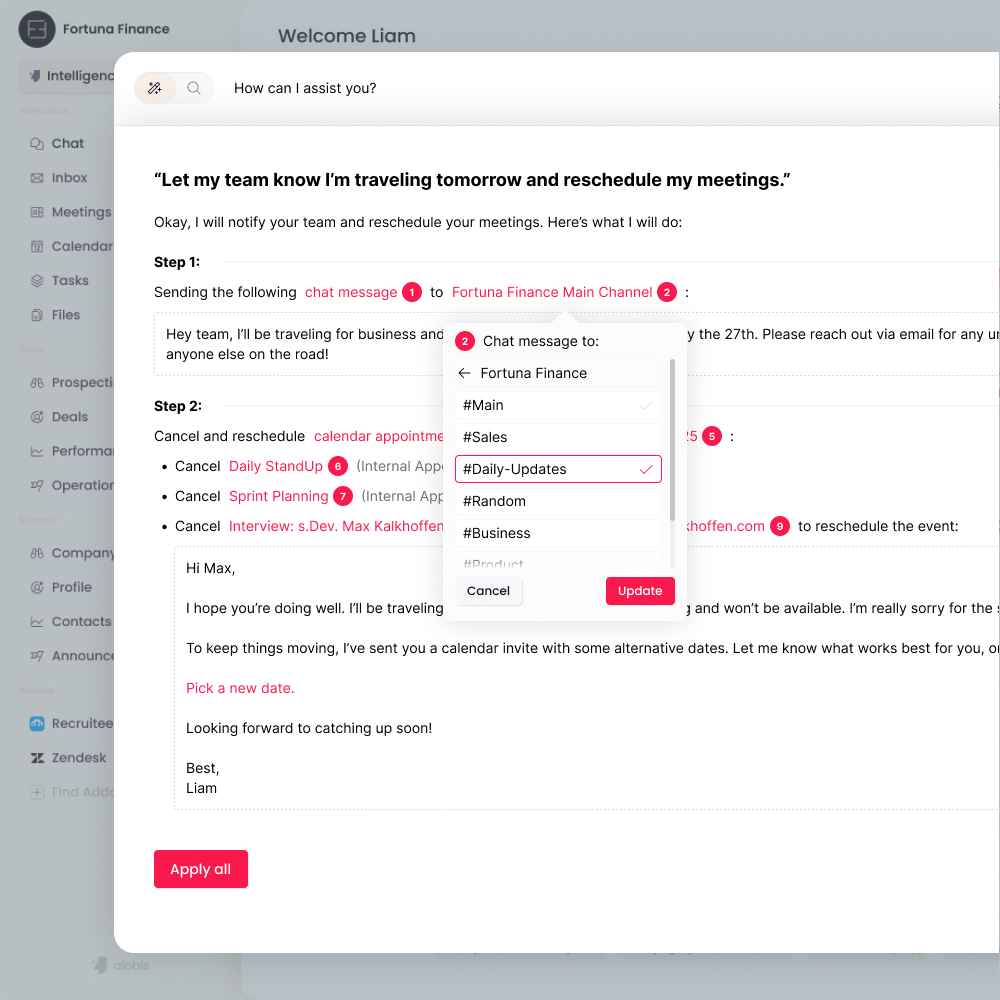
In practice, AI can accelerate exploration: variations, naming, layout options, and early drafts. But it does not replace judgment — it amplifies it when the goals and constraints are clear.
What Stays the Same
Despite all the technological advances, the fundamental principles of good design remain unchanged. Understanding users, solving real problems, and creating meaningful experiences—these are still the core of what we do.
AI can generate beautiful interfaces, but it can't understand the nuanced needs of your specific users. It can't navigate the complex politics of stakeholder alignment. It can't make the tough calls about what to build and what to leave out.
The most valuable design skills are still human skills: empathy, critical thinking, communication, and the ability to see the big picture while managing countless details.
The New Designer's Toolkit
The designers who will thrive in the AI age are those who learn to work with AI as a creative partner, not just a tool. This means:
- AI Literacy: Understanding what AI can and can't do, and how to prompt it effectively
- Strategic Thinking: Focusing on the bigger picture while AI handles the details
- User Research: Going deeper into understanding human needs and behaviors
- Systems Thinking: Designing for complex, interconnected experiences
- Ethical Design: Considering the broader implications of AI-powered experiences
Where It's Headed
I believe we're moving toward a future where designers become "experience architects" rather than just interface creators. Instead of spending time on pixel-perfect mockups, we'll focus on defining the experience principles that guide AI-generated designs.
This doesn't mean design becomes less important—it means it becomes more strategic. We'll spend more time understanding users, defining design systems, and creating the frameworks that guide AI-generated content.
The designers who adapt will find themselves working on more interesting, complex problems. Instead of creating individual screens, we'll be designing entire ecosystems of experiences that can adapt and evolve with user needs.
"The future of design isn't about competing with AI—it's about learning to collaborate with it effectively."
Practical Steps for Designers
If you're a designer wondering how to prepare for this future, here's what I recommend:
- Experiment with AI tools: Get hands-on experience with the current generation of design AI tools. Understand their strengths and limitations.
- Develop your strategic thinking: Practice looking at design problems from a business and user perspective, not just a visual one.
- Strengthen your research skills: The ability to understand users deeply will become even more valuable as AI handles more routine tasks.
- Learn to work with data: AI generates a lot of data. Understanding how to interpret and act on that data will be crucial.
- Focus on human skills: Communication, empathy, and creative problem-solving will become your competitive advantages.
The Human Advantage
The most successful designers in the AI age will be those who embrace their humanity rather than trying to compete with machines. We can understand context, navigate ambiguity, and make judgment calls that AI simply can't replicate.
At the end of the day, design is about solving human problems. AI can help us solve them faster and at scale, but it can't replace the human insight that makes great design possible.
The future belongs to designers who can work alongside AI to create experiences that are not just functional, but truly meaningful. That's a future I'm excited to be part of.